
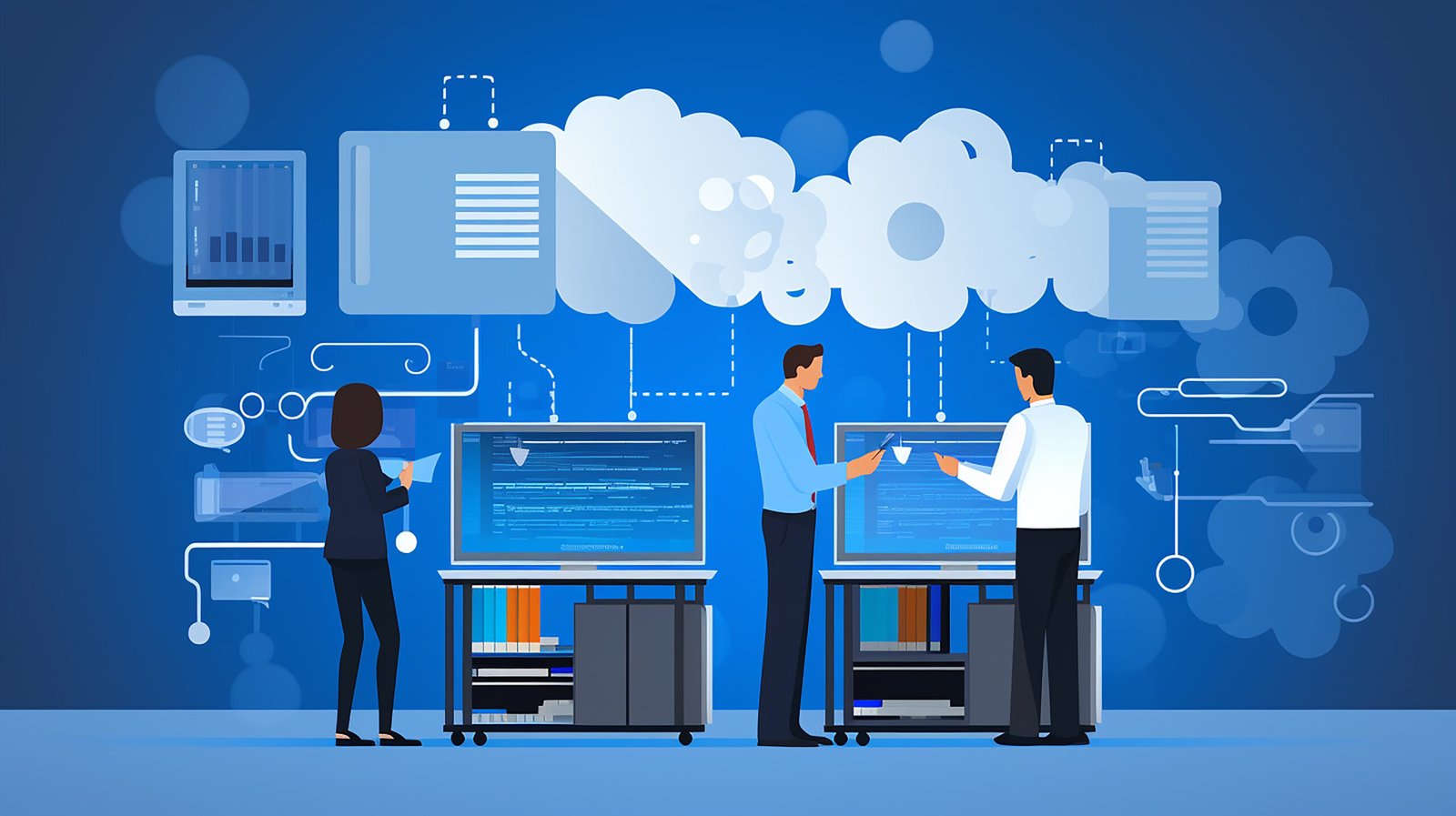
Unleashing Real-Time Marketing: The Edge Computing Revolution
Imagine a world where marketing is not just about pushing messages but having personalized conversations with customers. Imagine being able to analyze customer behavior and customize experiences accordingly. This is not a distant but futuristic fantasy; it’s the reality formed by edge computing. At its core, this post is about how edge computing is shaking up martech by bringing processing to the edge, closer to where data is generated, allowing near real-time speed and personalization.
Read on for an explanation of what edge computing means for marketing, the tools that enable it, and how your business can use this transformative technology for more innovative marketing efforts.

Explaining Edge Computing In Marketing Tech
At its most basic level, edge computing involves computing and data storage closer to where they’ll be needed—the network’s edge. In contrast to sending all data to the centralized cloud servers to be processed, data is processed on the devices, servers, or gateways close to where it was generated. This closeness significantly lowers latency and enhances processing speed, critical for real-time marketing. But how does this translate to better marketing results?
Why Is Edge Computing Important For Marketing?
Customers demand speedy gratification in this fast-paced digital world. Lost opportunities and frustrated consumers are the result of delayed responses. This is why edge computing is so important:
- Lower Latency: There are minimal delays by processing data closer to where it is generated (the edge), allowing real-time customer interactions. This signifies instant responses when customers take action and engage better.
- Improved Personalization: Edge computing allows data to be analyzed at the source, leading to more personalized and relevant experiences. Instead, consider delivering unique content to customers based on their location and current activity rather than their past behavior.
- Reduced Bandwidth: Processing data at the edge means less bandwidth usage for the cloud. This saves money and provides a better experience for users and bandwidth-consuming content types (such as video).
- Enhanced Data Privacy and Security: Edge computing enables crucial data to stay local, minimizing the potential for exposure upon transmission to the cloud and complying with strict data protection regulations.
- Increased Reliability: Using edge computing means marketing technology is less reliant on a persistent connection to a central server. Edge devices can work alone if the central server goes down.
Real-Time Marketing Edge Computing Tools
The right tools are critical to harnessing the potential of edge computing. With edge-based marketing in mind, several platforms or technologies are emerging. Here’s a closer look at some key players:
Key Edge Computing Platforms
Cloudflare Workers
A platform for deploying serverless code on Cloudflare’s global edge·network. That makes it great for running marketing logic near your users to improve speed and responsiveness. Tailored Content Delivery and Edge API access management.
AWS Lambda@Edge
Amazon’s serverless platform enables you to run code at CloudFront edge locations. AWS Lambda@Edge can change real-time content depending on request headers, user location, and other variables.
Google Cloud Functions
Like AWS, Google offers serverless functions that can be deployed on its edge network. This gives you capabilities similar to its competitors, such as dynamic image resizing and A/B testing.
Microsoft Azure Functions
Azure Functions are similar to Google Cloud Functions and AWS Lambda, enabling edge-based marketing capabilities.
Akamai Edge Compute
A suite of edge computing services that include serverless and container-based solutions makes it a good option for businesses already leveraging its CDN infrastructure.
Key Edge Computing Solutions
Edge Gateways aggregate data from multiple sources and process it before sending it to the cloud or other edge devices. They are essential for obtaining and filtering information to minimize bandwidth and processing load.
IoT Devices
Internet of Things (IoT) sensors and devices are valuable data sources in edge-based marketing. They can be strategically placed in retail spaces, integrated into transportation, or worn to collect real-time customer data.
Edge AI and Machine Learning
Deploying machine learning models on edge devices allows for data analysis locally and in real-time instead of waiting for cloud processing. This enables advanced personalization, pattern recognition, and nimble refinement of marketing strategies. For instance, an edge AI model executed on a mobile device can analyze a user’s browsing patterns and make a real-time decision regarding which ads or content should be displayed to that particular user.
CDNs (Content Distribution Networks) with Edge Compute
CDNs now provide additional edge computability, enabling you to achieve serverless functions that run closer to users. This is an ideal choice for caching content and instantly serving personalized experiences to users worldwide.

Real-World Applications Of Edge Computing In Marketing
Edge is no hypothetical black hole; it’s expanding its meteorological reach on terra firma. Here are some of the ways marketers are leveraging the power of edge computing to develop more innovative marketing strategies:
Customized Shopping Experiences
Consider a customer who walks into a store where they have welcomed information from a rich digital display relevant to them. Edge computing enables retailers to examine consumer behavior in real-time through in-store sensors and cameras. Using this data, stores can tailor product suggestions and targeted promotions and create a quality shopping experience. Examples include:
- Smart Shelves: Embedded sensors in smart shelves can monitor the products shoppers view and automatically launch appropriate displays or promotions nearby.
- Digital Signage: When customers approach a digital sign, changing advertising and content can be displayed based on their preferences and previous purchases.
- Beacons: These devices, placed around stores, can detect customers’ smartphones when they’re in a range of specified areas (like specific products or aisles). This allows stores to send targeted messages to those devices, thus directing customers to relevant goods or promotions based on what’s already known about the individual customer.
Interactive Advertising
With the help of edge computing, digital advertising is becoming more interactive, much like a real conversation, in real-time. For example:
- Contextualizing Ads in Real Time: Edge servers can alter ad creative in real-time, focusing on the user’s specific environment (location, weather, time). This creates more relevant and actionable ads.
- Dynamic Personalization in Video Advertising: Video Ads dynamically deliver the content according to the context and preferences of the viewer. Thus, edge computing can ensure faster load times and dynamic content insertion to provide a seamless experience.
- Interactive Kiosks: Interactive kiosks are typically placed in public areas and use edge computing to respond quickly to user interactions, provide relevant information, and deliver personalized content.
Improved Customer Engagement On Websites And Apps
Websites and mobile applications have also been revolutionized by Edge computing.
- Edge servers and Real-Time personalization: Edge web servers can facilitate content personalization in real-time based on user behavior or location, resulting in a far quicker and smoother user experience.
- Instant A/B Testing: A/B tests at the edge, serving different content variations to users depending on geographical location and user behavior for optimized results.
- Providing Dynamic Content: Edge computing lowers latency when serving web content. It is especially crucial for users with low bandwidth usage (for loading rich content such as videos and high-resolution images) for a smoother user experience.
- Chatbots and virtual assistants: Edge-based chatbots use edge computing capabilities to respond to user inquiries faster and more efficiently. They facilitate real-time customer support without connecting to centralized cloud servers for every query.
Advantages Of Edge Computing For Marketing
Here are some unavoidable suggestions describing how edge computing can transform your enterprise by enhancing its marketing strategies. Here’s a closer look at the main benefits:
- Enhanced Customer Experience: Edge computing can boost customer satisfaction and loyalty by providing faster, more personalized content and interactions. Users will no longer have to wait for data to travel back and forth to the cloud.
- Higher Conversion Rates: Quicker page load times and real-time personalization increase engagement and conversion rates, which are key to the business’s bottom line.
- Lower Operational Costs: Moving data processing to the edge can minimize dependence on centralized servers, reducing cloud computing costs and bandwidth usage.
- Scalability and Flexibility: Due to its scalability and adaptability, edge computing saves the situation by adapting to evolving market conditions and customer needs. It allows companies to seamlessly extend their reach without being limited by the constraints of cloud infrastructure.
- Competitive Advantage: Adopting edge computing can give businesses a competitive advantage. It allows them to respond quickly to market changes and customer demands, differentiating them from competitors who rely on centralized cloud systems.
The Future Of Marketing: Conclusion
Edge computing is not a trend but a force that will reshape the future of marketing. By moving processing power as close as possible to where the action is happening, marketers can now provide real-time, individualized experiences that were once unachievable. Through brighter retail environments, dynamic digital advertising across multiple channels, and seamless user experiences, edge computing is changing the rules of engagement. Although there are challenges to adopting edge computing, the benefits to businesses are compelling.
This technology is at the start of its cycle, and businesses could benefit from leveraging it now to help develop more innovative marketing strategies to improve customer experience and competitiveness. With edge computing reshaping the landscape for marketing technology as we know it, it will become a key component for many, and the best is yet to come with the evolution and maturity of technology. This is the right time to explore how edge computing can leverage your marketing strategy.
Frequently Asked Questions
Which are the best edge computing tools for doing real-time marketing?
Some of the leading technologies/platforms include Cloudflare Workers, AWS Lambda@Edge, Google Cloud Functions, Microsoft Azure Functions, and Akamai Edge Compute. These platforms enable marketers to deploy serverless code and execute marketing logic closer to users for low-latency, highly personalized experiences.
Is edge computing a natural fit for reducing latency in marketing?
Edge computing eliminates the need to send data to the cloud by reducing the latency caused by nearby data processing. Instead of sending everything to a central cloud server, data is processed on the device or servers at the “edge” of the network. This reduces the travel distance of data, resulting in swifter processing and real-time interactivity.
How might edge computing contribute to personalized advertising?
Edge computing allows for the real-time analysis of user behavior, location, and other factors. You can observe and use this information to dynamically personalize the ad content so that users see relevant ads. This results in better-targeted advertising campaigns and higher conversion rates. The edge also allows for rapid ad adjustments based on real-time data such as weather, location, and user history.
TechQwaz is your go-to platform for the latest insights on technology, innovation, and personal branding. Learn more about our mission on our About Us page, or reach out to us through our Contact page. Stay connected and updated by following us on Instagram, Twitter (X), and explore more valuable content on our Blogspot. Keep exploring, keep growing!
Leave feedback about this